The Funnel Web Spider is one of the most famous spiders in the world. People fear it because of its strong venom and aggressive behavior. But these spiders also play an important role in nature. They help control pests and keep gardens healthy. In this guide, you will learn what funnel web spiders look like, where they live, and how to stay safe around them. We will also share real-life tips and helpful facts. By the end, you’ll feel confident and informed—without feeling scared.
What Is a Funnel Web Spider?
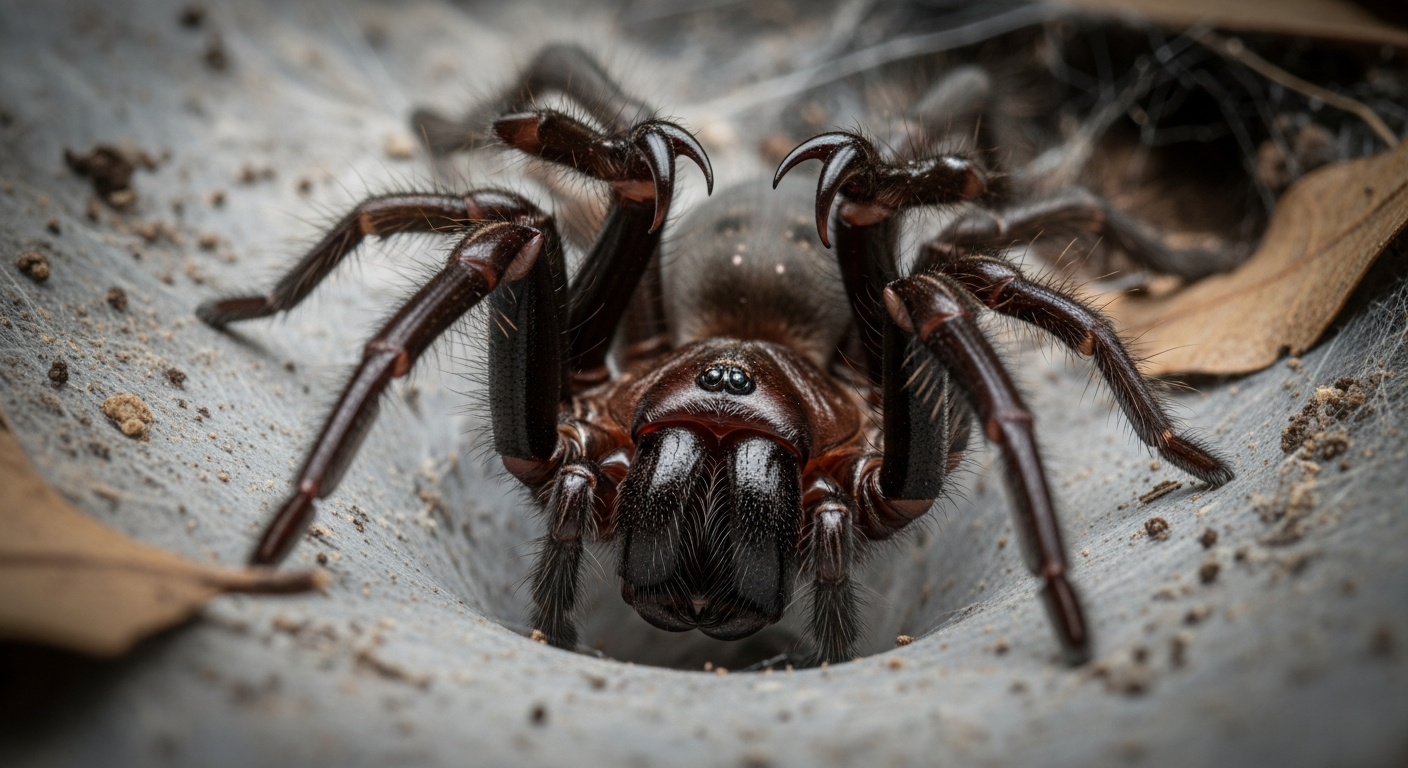
A funnel web spider is a spider known for building a special web shaped like a funnel. The web has a flat surface that leads into a tube. The spider hides inside the tube and waits for prey. When an insect walks on the web, the spider grabs it quickly. This spider is usually dark and shiny. People often confuse it with other spiders, but its web is a big clue. Funnel web spiders are most common in Australia, but similar species exist worldwide. They are known for being fast and strong, and some types can be dangerous to humans.
What Does a Funnel Web Spider Look Like?
The funnel web spider usually looks dark brown or black. It has a shiny body and strong front legs. Its size can range from 1 to 2 inches. The biggest clue is its web. The funnel-shaped web has a flat surface with a tube in the center. The spider hides inside the tube. You may see the spider’s legs sticking out, ready to grab prey. This spider looks scary, but it mostly stays hidden. It only comes out when it feels threatened or when it is hunting.
Where Do Funnel Web Spiders Live?
Funnel web spiders live in warm, humid places. They like forests, gardens, and areas near water. They build their webs in burrows, under rocks, or inside thick plants. Sometimes, they may even build webs near homes. They like dark, quiet places where they can stay hidden. Funnel web spiders do not like open spaces. If you live in an area with lots of trees or tall grass, you might find them nearby. They are most active during warm months and at night.
How Does a Funnel Web Spider Hunt?
A funnel web spider hunts by waiting inside its web tube. When a bug walks on the web, the spider feels the vibration. It rushes out and grabs the prey with strong front legs. The spider then bites to paralyze the insect. This spider is fast and powerful. It can catch prey much bigger than itself. The funnel web design helps it trap insects easily. The spider’s venom helps it control prey quickly. This hunting method makes the funnel web spider a very effective predator in nature.
Are Funnel Web Spiders Dangerous to Humans?
Yes, some funnel web spiders can be dangerous. But not all of them are harmful. Only certain species have venom strong enough to seriously hurt people. Most funnel web spiders will only bite if they feel trapped or threatened. If you see one, it is best to keep your distance and not touch it. Many bites happen when people accidentally step on them or try to move their webs. If bitten, it is important to seek medical help quickly. Modern antivenom treatments make survival very likely when treated fast.
Signs You May Have a Funnel Web Spider Nearby
You might notice funnel web spiders by their web patterns. Look for flat, sheet-like webs with a funnel entrance. These webs are often hidden under leaves, rocks, or in burrows. You might also see small piles of soil near a hole. This is where the spider dug its burrow. Funnel web spiders are mostly active at night, so you may spot them in the evening. If you live in a warm, humid area, it is good to check your garden and outdoor spaces carefully.
What Should You Do If You Find One?
If you find a funnel web spider, stay calm and back away slowly. Do not try to touch or move it. If it is near your home, you can call a pest control expert to safely remove it. Keep children and pets away from the area. Wear gloves and boots when gardening, especially at night. If you must move something near the web, use a long stick or tool, not your hands. Remember, funnel web spiders are more scared of you than you are of them. They only attack when they feel trapped.
What to Do If You Get Bitten
If you suspect a funnel web spider bite, act fast. First, stay calm and do not panic. Call emergency services immediately. While waiting, keep the bite area still and below heart level. Use a pressure bandage if possible, and avoid moving too much. Do not try to suck out the venom or use ice. These methods can make the situation worse. The best action is to get medical help quickly. Antivenom is very effective when given early. Remember: prompt treatment saves lives.
How Funnel Web Spiders Help Nature
Despite their scary reputation, funnel web spiders help the environment a lot. They control insect populations, including pests that damage plants and crops. By eating bugs, they keep the balance in nature. They also help the food chain. Birds, reptiles, and other animals eat spiders, too. So funnel web spiders are important for wildlife. When you see one, think of it as a helpful neighbor, not just a dangerous creature. Their role in nature is valuable, even if we prefer to keep our distance.
Common Myths About Funnel Web Spiders
There are many myths about the funnel web spider. Some people think all spiders are deadly, but that is not true. Only a few species are dangerous to humans. Another myth is that they always bite without warning. In reality, they usually only bite when threatened. Some people also think they can jump long distances. Funnel web spiders cannot jump like some other spiders. They are fast on the ground, but they rely on their web for protection. Understanding facts helps reduce fear and encourages safe behavior.
How to Prevent Funnel Web Spiders in Your Home
To prevent funnel web spiders, keep your home clean and clutter-free. Remove piles of leaves, wood, and debris near your house. Seal cracks in walls and doors where spiders can enter. Keep your garden trimmed and dry. Wear gloves when gardening, especially in dark or damp areas. If you have a pet, check their bedding and play areas. Regular cleaning and checking outdoor spaces can reduce the chance of finding a funnel web spider near your home. Prevention is the best safety step.
Real-Life Story: How I Learned About Funnel Web Spiders
When I was a kid, I found a funnel web spider in my garden while watering plants. I froze because it looked so shiny and fast. My mom calmly told me to step back and not touch it. She called a professional to safely remove it. That day I learned two important lessons: stay calm and always respect wildlife. Since then, I’ve learned that funnel web spiders only bite when threatened. This story taught me to be aware and cautious, but not to fear nature.
Conclusion: Stay Safe, Stay Informed
The funnel web spider is both fascinating and powerful. Knowing how to identify it, where it lives, and how to stay safe can protect you and your family. Remember, these spiders play a valuable role in nature, even if they look scary. If you live in a high-risk area, take prevention steps and learn how to react calmly. The best way to stay safe is to respect the spider and keep a safe distance. If you found this guide helpful, share it with friends or comment with your questions!
(FAQs)
1. Are funnel web spiders the most dangerous spiders?
Not all funnel web spiders are deadly, but some species have strong venom. Only a few can seriously harm humans.
2. How can I identify a funnel web spider?
Look for a dark, shiny spider and a funnel-shaped web with a tube. The web is usually hidden under leaves or rocks.
3. What should I do if I find a funnel web spider at home?
Stay calm, keep distance, and call a pest control expert. Do not try to touch or move it.
4. Can funnel web spiders climb walls?
Yes, they can climb surfaces, but they prefer staying close to the ground in burrows.
5. What should I do if I get bitten?
Seek emergency medical help immediately. Keep the bite still and below heart level while waiting.
6. Do funnel web spiders attack people often?
No. They usually bite only when threatened or trapped.